
Edge Computing vs Cloud Computing – Which will dominate in 2026?
Edge Computing vs Cloud Computing – Which will dominate in 2026?
In today’s digital-first economy, businesses are under constant pressure to process data faster, improve operational efficiency, and deliver real-time experiences. Two technologies leading to this transformation are edge computing and cloud computing . Both have become essential for modern IT infrastructure, but they serve different purposes and solve different challenges.
As we move into 2026, one of the most discussed questions in the technology world is whether edge computing or cloud computing will dominate. The truth is more nuanced. To understand the future, we must first understand how each technology works, where it excels, and how businesses can use it together for maximum impact.
This blog explains edge computing and cloud computing in simple language, highlights their differences, explores real-world use cases, and helps you understand what the future holds.
Understanding Cloud Computing
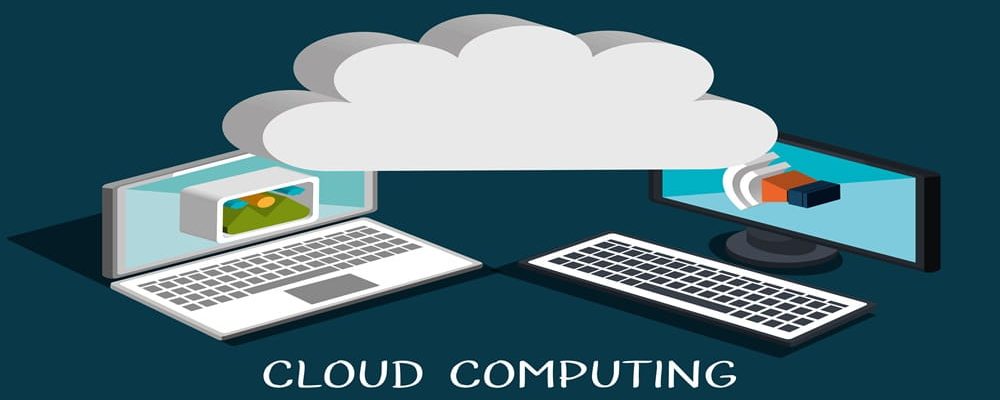
Cloud computing refers to the delivery of computing services such as storage, servers, databases, networking, and software over the internet. Instead of storing data on local systems or physical servers, businesses use remote data centers managed by cloud service providers.
Cloud computing has transformed how businesses operate. It allows organizations to scale resources on demand, access systems from anywhere, and reduce the cost of maintaining physical infrastructure.
Key advantages of cloud computing include scalability, flexibility, global access, cost efficiency, and centralized management. Companies can quickly deploy applications, store large volumes of data, and run advanced analytics without investing in expensive hardware.
Because of these benefits, cloud computing is widely used across industries such as manufacturing, healthcare, finance, retail, and automotive.
Understanding Edge Computing
Edge computing is a modern computing approach where data is processed close to the source of data generation rather than sending it to a centralized cloud server. This means data is analyzed and processed locally, often on devices or nearby servers.
For example, in a smart factory, machines continuously generate data through sensors. Instead of sending all this data to the cloud, edge computing processes it instantly on-site. This enables faster decisions and reduces dependency on internet connectivity.
The main advantages of edge computing are ultra-low latency, real-time data processing, reduced bandwidth usage, improved security for sensitive data, and faster response times.
Edge computing is especially useful for applications that require immediate decisions, such as autonomous vehicles, industrial automation, augmented reality, and IoT-enabled systems.
Key Differences Between Edge Computing and Cloud Computing
Although both technologies are powerful, they differ in how and where they process data.
Cloud computing processes data in centralized remote data centers. Edge computing processes data locally near the source. This difference directly impacts speed, latency, and performance.
Cloud systems may experience slight delays because data must travel over the internet. Edge computing minimizes this delay by processing data locally, making it ideal for real-time operations.
Cloud computing typically requires higher bandwidth because data must be continuously transferred to and from servers. Edge computing reduces bandwidth usage by filtering and processing data locally before sending only necessary information to the cloud.
In terms of security, cloud providers offer strong centralized protection, while edge computing provides better control for sensitive local data.
Cloud platforms are highly scalable and can handle huge workloads. Edge systems are more limited in scale but highly efficient for localized operations.
Why Edge Computing Is Growing Rapidly in 2026
Edge computing is gaining momentum due to the rapid rise of real-time digital systems and connected devices.
One major reason is the increasing demand for real-time processing. Industries such as manufacturing, automotive, and healthcare cannot afford delays in decision-making. Even a few seconds of delay can result in operational issues or safety risks.
Another factor is the explosion of IoT devices. Billions of sensors and smart devices generate massive amounts of data every second. Sending all this data to the cloud is inefficient and expensive. Edge computing helps process this data locally and only sends essential insights to the cloud.
Edge computing also improves user experience. Applications such as augmented reality, smart retail, and live monitoring systems require instant responses, which edge computing provides.
In addition, businesses can reduce costs by minimizing bandwidth usage and cloud storage requirements.
Why Cloud Computing Remains Essential
Despite the growth of edge computing, cloud computing remains the foundation of modern digital infrastructure.
Cloud platforms provide virtually unlimited storage capacity, which is essential for handling large datasets. They also support advanced analytics, artificial intelligence models, and machine learning systems that require powerful computing resources.
Cloud computing enables global accessibility, allowing teams to access data and applications from anywhere in the world. It also plays a crucial role in disaster recovery, data backup, and business continuity.
For large-scale data processing, long-term storage, and complex analytics, cloud computing continues to be the best solution.
Real-World Use Cases of Edge and Cloud
- In manufacturing, edge computing is used for real-time machine monitoring and predictive maintenance, while cloud computing is used for production planning and supply chain analytics.
- In the automotive sector, edge computing enables real-time decision-making in autonomous systems, while cloud computing manages vehicle data, performance analytics, and software updates.
- In healthcare, edge computing supports patient monitoring devices that require immediate responses, while cloud platforms store patient records and support AI-driven diagnostics.
- In retail, edge computing powers smart checkout systems and in-store analytics, while cloud computing manages customer data, sales trends, and inventory systems.
These examples show that both technologies are not competitors but complementary solutions.
The Future Is Hybrid: Edge and Cloud Together
The future of digital infrastructure lies in combining edge computing and cloud computing into a unified system. This is known as a hybrid computing model.
In this model, edge devices handle real-time processing and immediate decisions, while the cloud manages large-scale analytics, storage, and long-term processing.
This approach offers the best of both worlds. Businesses benefit from speed, scalability, efficiency, and improved performance. By distributing workloads intelligently between edge and cloud, organizations can optimize operations and reduce costs.
By 2026, most forward-thinking companies will adopt hybrid architectures to stay competitive in a data-driven world.
Key Technology Trends to Watch in 2026
Several trends will shape the future of edge and cloud computing.
Artificial intelligence will increasingly be integrated into edge devices, enabling smarter local decision-making. The expansion of 5G networks will enhance connectivity and support real-time processing at a scale.
Cloud providers will continue to develop cloud-native edge platforms that allow businesses to deploy edge solutions using centralized management systems.
Cybersecurity will become more advanced as organizations protect both cloud and edge environments from evolving threats.
Smart factories and Industry 4.0 initiatives will accelerate adoption of edge-cloud systems for automation, predictive analytics, and digital twins.
Which Technology Will Dominate in 2026
The question of whether edge computing or cloud computing will dominate does not have a simple answer.
Neither technology will replace the other. Instead, their combined use will define the future of computing.
Cloud computing provides scalability, power, and centralized control. Edge computing delivers speed, real-time responsiveness, and efficiency. When used together, they create a powerful digital ecosystem that supports modern business needs.
Organizations that adopt both technologies strategically will gain a competitive advantage through faster operations, better insights, improved customer experiences, and optimized costs.
How Businesses Should Prepare for the Future
To prepare for 2026 and beyond, businesses should evaluate their current infrastructure and identify areas where real-time processing is required. They should invest in scalable cloud platforms and integrate edge computing where low latency is critical.
It is also important to focus on data security, compliance, and system integration. Partnering with experienced technology providers can help organizations design and implement the right strategy.
Businesses that act now and build a hybrid edge-cloud infrastructure will be better positioned to adapt, innovate, and grow in the coming years.
We at Sapizon Technologies help businesses implement advanced cloud and edge solutions tailored for manufacturing and automotive industries, enabling faster operations, scalable systems, and future-ready digital transformation.